Live chat for Free Pascal, Lazarus, Delphi and every Pascal programmer.
Catalog
30,060 projects in the catalog.
Free Pascal, Lazarus and Delphi components, libraries and programs from GitHub, SourceForge, Codeberg, GitLab and more. Rate them, mark what looks interesting, and talk about them on their benches.
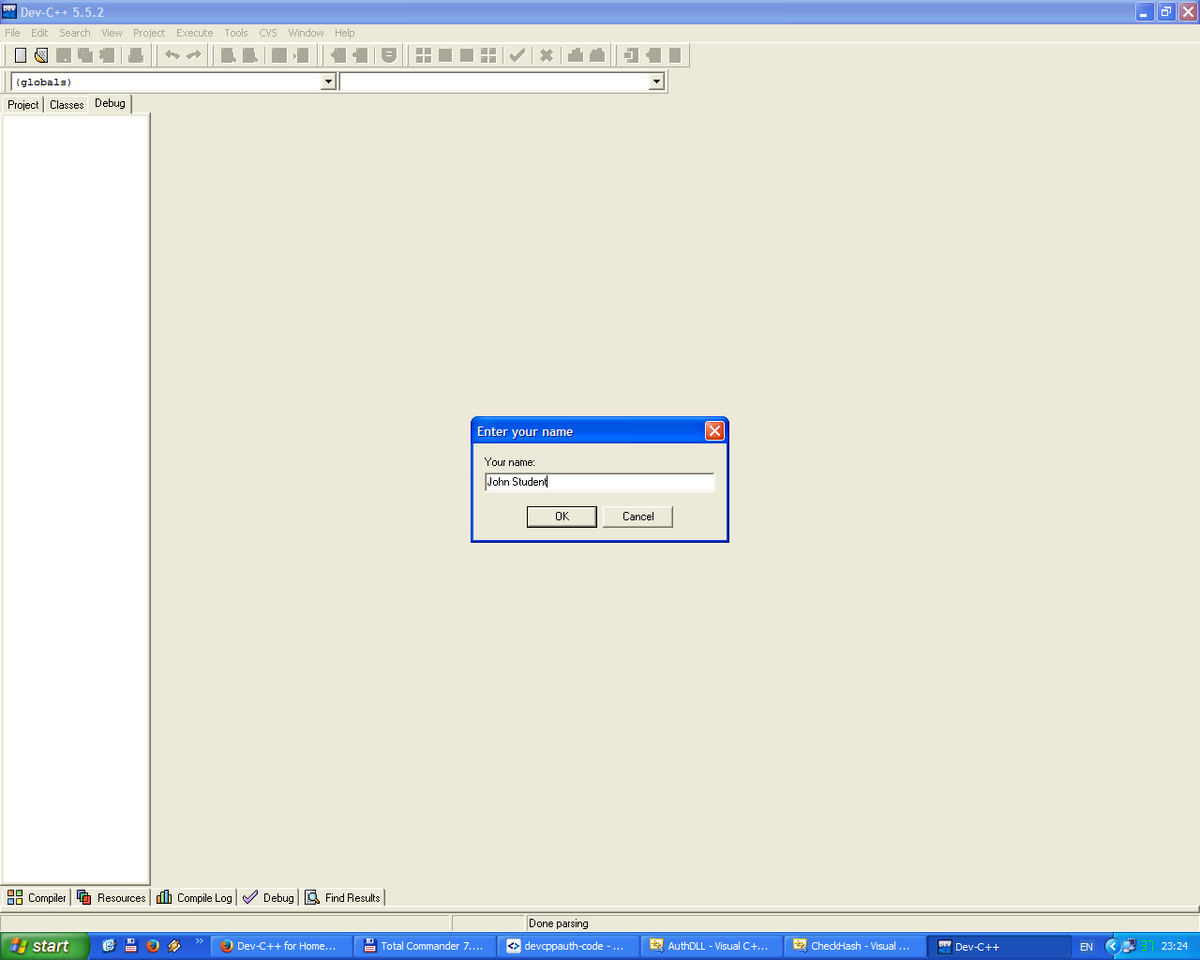
Orwell Dev-C++ with author authentication. Perfect for student homeworks, if you don't want your students to copy their homework files from others. Authenticated files are regular source files with student's name and a security hash added at the end. Any cheating attempt by copying in the files / changing name will invalidate the hash and can be detected by the teacher. In addition, paste in authenticated files is only allowed from one's own files. The CheckHash.exe tool checks the hash and reports the authentication status of of all .cpp files in the current directory. This tool is intended for teachers. How to install: simply download a Setup Release and install it. Alternatively, it is possible to just overwrite devcpp.exe in the original Dev-Cpp installation folder with the one in the zip release, and also add Auth.dll in the same folder. Dev-C++ for Homeworks is based on Orwell Dev-C++ software. Releases follow upstream releases.
devFlowCharter is a complete environment for creating program flowchart, source code generation, and compilation. Its main goal is to be straightforward, educational tool for use during procedural programming classes.
The startJ is a small but very powerful java integrated development environment, which provides multiple document edit, code reformat, compile, decompile and automaticliy generate C++/delphi JNI wrapper code.
Skybuck's Open Development Environment. A visual development tool which is open to all kinds of compilers and programming languages. Initial development will focus on interfacing with free pascal compiler and it's tools.
NitroPascal is a new data/object oriented programming (DOOP) language based on Pascal / Delphi. In development is: - compiler (npc), - IDE NitroEDitor (NED).
Z80-Pascal will be a cross-platform Pascal compiler for Z80 based devices, such as MSX, Spectrum-ZX, etc. Despite that it will be designed for old Z80 home devices (i.e. retro-programming) it will be useful for modern devices too.
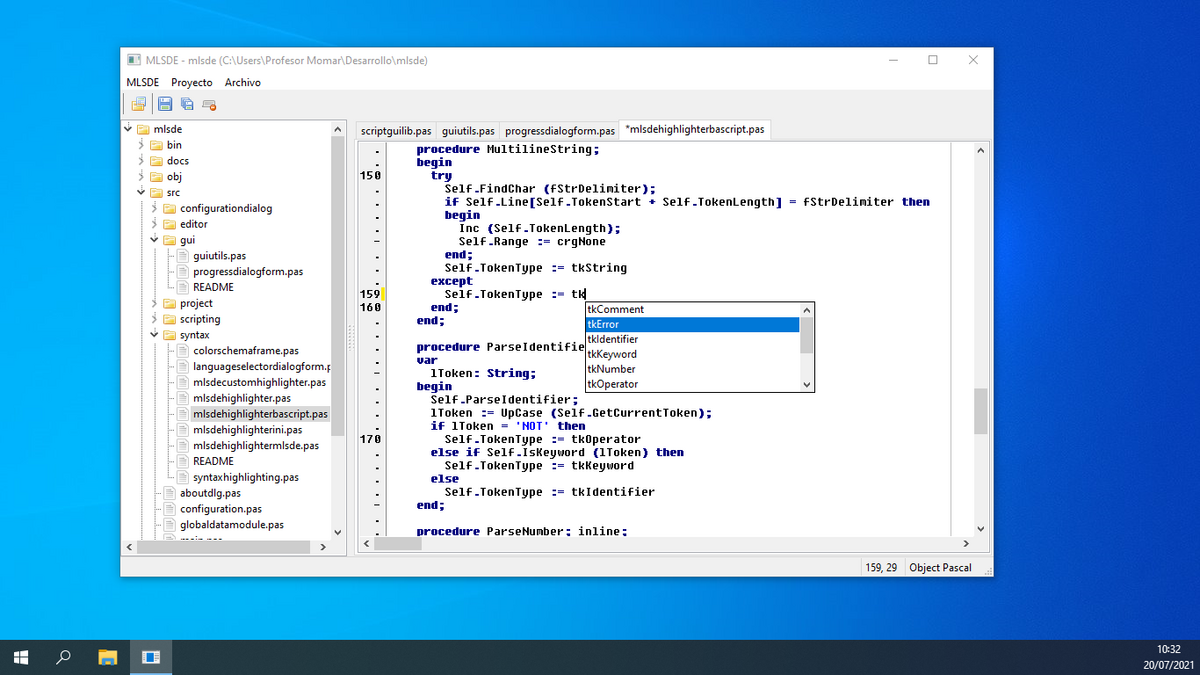
The Multi-Language Scriptable Development Environment (MLSDE) aims to be a highly customizable, flexible, platform-independent development environment.
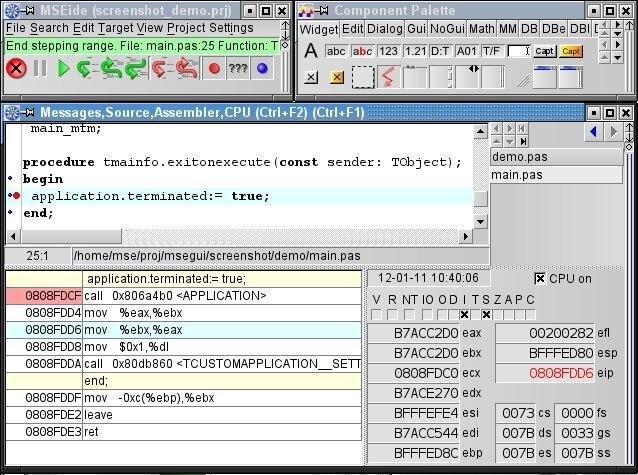
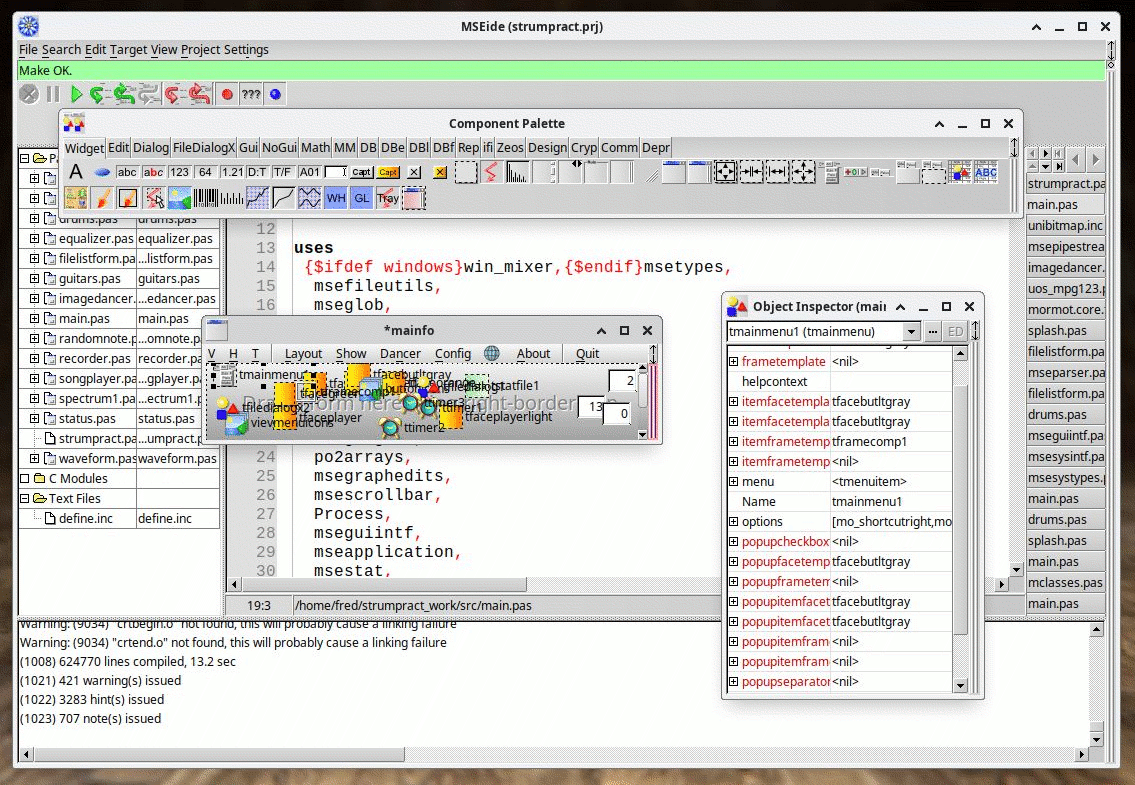
MSEide is a Rapid Application Development IDE for platform independent rich GUI applications in the Pascal language. It comes with its own GUI toolkit called MSEgui, which ensures programs are portable. MSEgui has identical look and feel on all supported platforms, the look of the widgets is highly configurable. The widgetset library is completely written in Pascal and links directly to xlib on Linux and FreeBSD and to gdi32 on win32/64. MSEgui includes sophisticated DB-access components and DB-aware widgets. Main goal of development is to provide a handy, stable and very productive tool for professionals. MSEide+MSEgui currently runs on i386-linux, i386-win32, x84_64-win64, x84_64-linux, x86_64-freebsd and arm-linux. Main git repository: https://gitlab.com/mseide-msegui/mseide-msegui
Quiet
Application
Lazarus
SourceForge
GNU Library or Lesser General Public License version 2.0 (LG
SMall IDE is a small modular integrated development environment written in Borland Delphi. It shall become a easy to use and extensible IDE for several programming languages.
Z80-Pascal will be a cross-platform Pascal compiler for Z80 based devices, such as MSX, Spectrum-ZX, etc. Despite that it will be designed for old Z80 home devices (i.e. retro-programming) it will be useful for modern devices too.
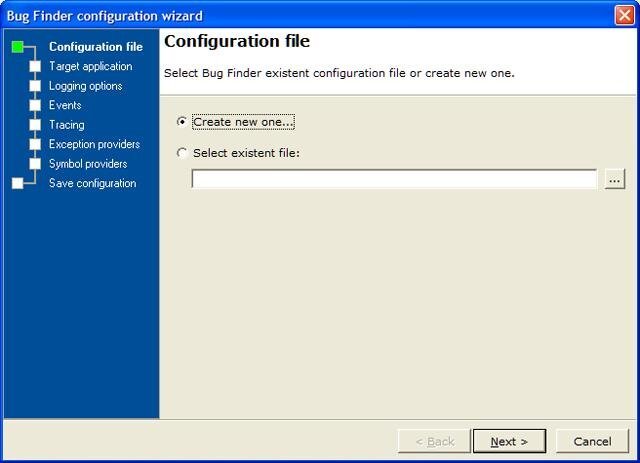
This project born a few years ago when I encountered a fatal bug on a production environment, unfortunately not replicable on my development machine. I spent many time finding a solution, using also freeware and commercial third-party tools and libraries, but none helped me because the bug crashed the process, and no of the above tools could be able to catch the exception before the process dying. Also, it was not possible to install a development environment onto the production machines, so the only solution was to develop a debugger which didn't need any user/developer interaction. I used many open source resources, then I decided to make the Bug Finder an open source project. It is built over a pluggable architecture to support other languages different from Borland Delphi (the one I used to develop my faulting application and the Bug Finder too). Here is the article http://www.codeproject.com/Articles/602794/Bug-Finder-a-real-Win32-extensible-passive-debugge .
IGNORE THE BIG GREEN DOWNLOAD BUTTON: choose file in Files area These macOS snapshots of the development branches are generated automatically. All I can say is that the compiler found the source good enough to compile. YOU ARE USING COMPLETELY UNTESTED SOFTWARE. Caveat Utilitor! 1. Move lazarus-src to your home directory 2. Open a Terminal 3. Change to lazarus-src and run the command: xattr -drv com.apple.quarantine * 4. Use a script to start Lazarus like: #!/bin/sh open ~/lazarus-src/lazarus.app --args "--pcp=~/.laz_main" There is also a daily FPC development snapshot for ARM64. 1. Move fpc-src to your home directory 2. Install with a script like: #!/bin/sh cd ~/fpc-src xattr -drv com.apple.quarantine * sudo make FPC=$PWD/ppca64 OPT="-ap -FD/Library/Developer/CommandLineTools/usr/bin -XR/Library/Developer/CommandLineTools/SDKs/MacOSX.sdk" install Adjust links in /usr/local/bin to point to 3.3.1 or choose compiler in Lazarus
Active
Application
Lazarus
SourceForge
GNU Library or Lesser General Public License version 2.0 (LG
Here you can find both an Oberon V4 system for Linux (x86) and a collection of Oberon V4 sources for various other platforms. Oberon V4 was implemented at ETH Zurich for several platforms. Binaries can be found on their server[1] and on the one of the University of Linz[2] where Mössenböck's group did further development after he left ETH and the Group at ETH concentrated on System 3. More Information can be found in the wiki https://sourceforge.net/p/oberon/wiki/Home/ of this Project and on Wikipedia https://en.wikipedia.org/wiki/Oberon_(operating_system). In 2013 they were moved here for easy access and, in case of interest, collaboration on further development. The Oberon mailing list[3] is an established channel for its discussion and followed also by the administrators of this SF project. [1] ftp://ftp.ethoberon.ethz.ch/Oberon/OberonV4/ [2] ftp://oberon.ssw.uni-linz.ac.at/pub/Oberon/ [3] https://lists.inf.ethz.ch/mailman/listinfo/oberon
Quiet
Application
SourceForge
BSD License, GNU General Public License version 2.0 (GPLv2)
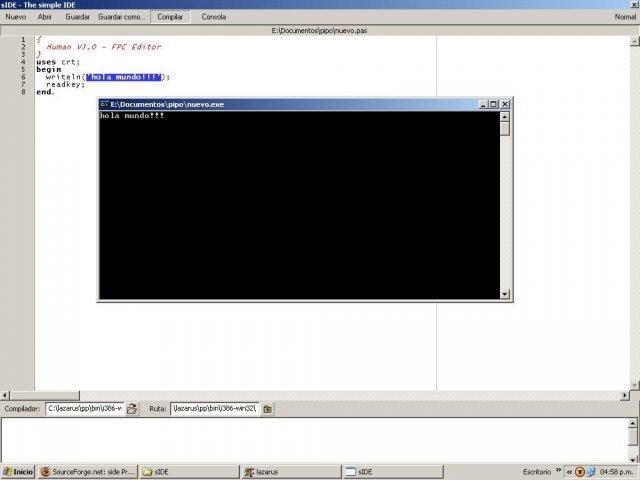
sIDE is a crossplataform (Linux/Win32) made in Lazarus, consist on a basic integrated development enviroment (IDE) for the FreePascal programming language. Features: Basic IDE functions as Open/Save/Save as... /Compile/Execute/Tools/Syntax Highlight/
iDA is a kinda IDE ( integrated development environment ) which is not limited to just one language it’s able to work with all programming language u have ever heard By default (now) it support Perl, Ruby, C# ( customized compiler ) And till now suppo
MSEide is a Rapid Application Development IDE for platform independent rich GUI applications in the Pascal language. It comes with its own GUI toolkit called MSEgui. Binaries: https://github.com/mse-org/mseide-msegui/releases
The BF Debugger Project is an attempt to allow the development of software using the Brainf*** programming language in a GUI development environment, and to provide a platform for the advancement and dissemination of this language.
Bricx Command Center (BricxCC) is a highly popular Windows-based IDE for programming LEGO programmable bricks using NQC as well as MindScript, LASM, C++, C, Pascal, Java, and Forth. Program the new NXT brick using NBC and NXC.
Quiet
Application
SourceForge
Mozilla Public License 1.0 (MPL), Mozilla Public License 1.1
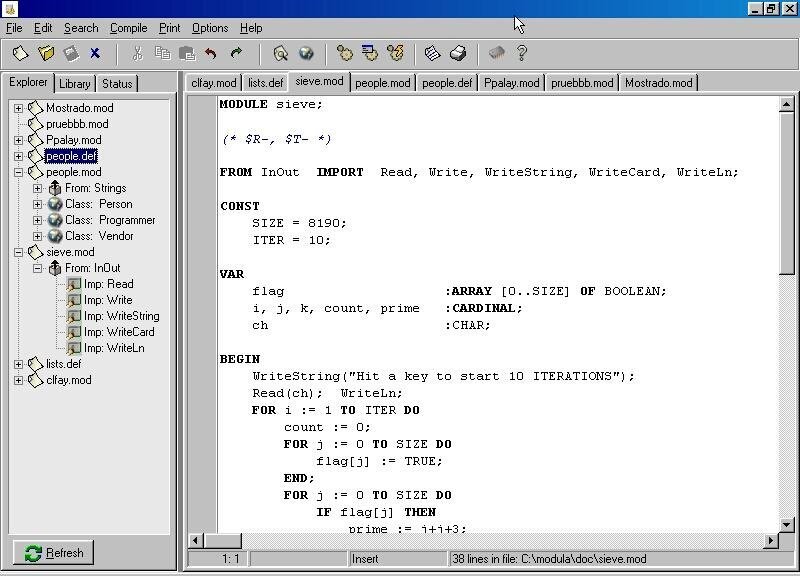
Mide3de2 is a windows IDE for the FST modula-2 compiler with this main features: Multi Document Support, Syntax highlight, Search & Replace, Library & Imported Functions Browsing, Multi Undo / Redo...
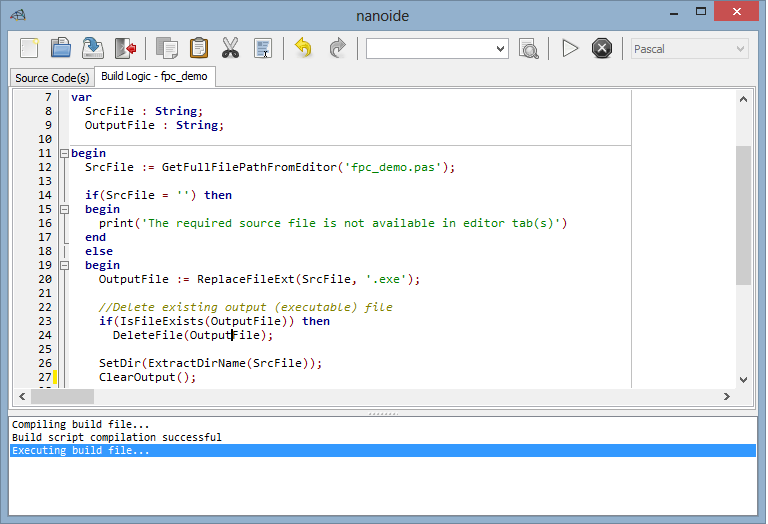
nanoide is light-weight, script base, configurable IDE. This IDE is specifically design to test compilers, manipulate complex compilation and building processes and for programming language base experiments.
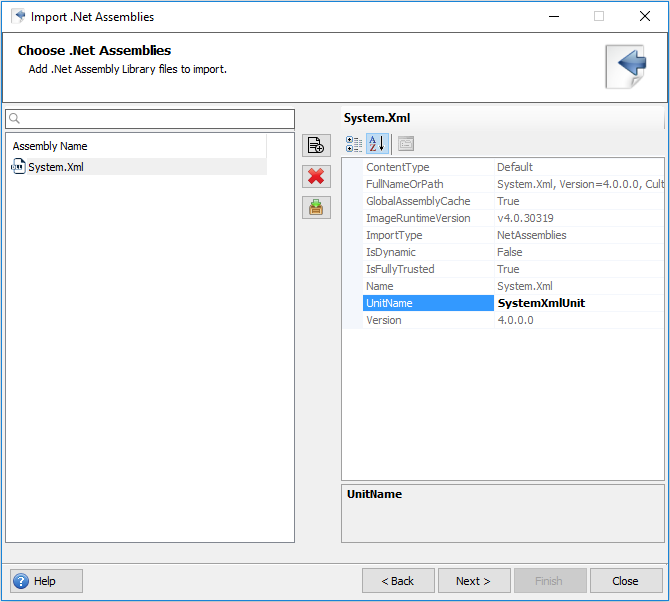
This tool is used for importing .net assemblies as dll files, WSDL or web service XML schema and generates Delphi classes from the types of the imported assemblies. The Import .Net Assemblies Wizard is used for importing .net assemblies and generating Delphi classes from the types of the imported assemblies. The Import WSDL/Web Services Wizard is also used for importing Web Service Description language file/url or XML schema that describes a web service and generates Delphi classes from the types of the imported WSDL assemblies.
A unified compiler-construction meta-language designed to define and build programming languages within a single .mor file. By describing tokens, grammar rules, semantic analysis, and code generation in one place, developers can produce native Win64 or Linux64 binaries via a built-in Zig/Clang pipeline.
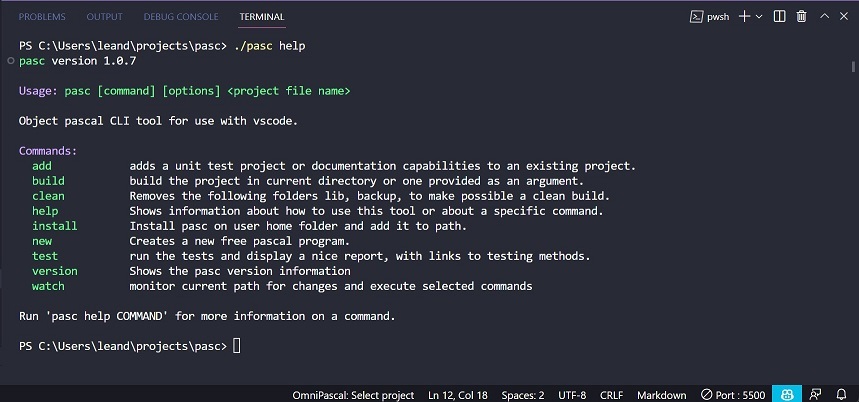
pasc is a command line tool to help the developer manage free pascal projects with boiler plate tasks like git repository config, launch tasks, test projects creation and others.
Myrissa is a modern systems programming language by Jarrod Davis, combining Pascal readability with robust C ABI interoperability. Written entirely in Delphi, its self-contained compiler generates native x86_64 code for Windows and Linux, with built-in linking, managed strings, unit testing, exception handling, and low-level control.
Myra is a minimal systems programming language inspired by Oberon and Pascal that compiles into C++23 using the Zig toolchain. Its core philosophy emphasizes a clean, unambiguous syntax while providing seamless interop, allowing developers to intermix raw C++ code directly within Myra source files. Pascal. Refined.
LangVM is a Turing-complete language workbench for rapidly building custom programming languages. Using `.lvm` scripts, developers define lexing, Pratt parsing, semantics, MIR, and code generation without recompiling. It can run standalone or embedded in Delphi, enabling fast iteration and native, cross-platform language development.